The short answer
What matters most
- A product quantity does not define a suitable treatment plan.
- Discuss previous filler, health history, the exact product and possible complications.
- Some filler complications need urgent assessment; understand that pathway before treatment.
Define the concern before discussing volume
A concern about facial balance, a particular feature or changing volume should begin with a description of what you want to understand. Explain where you notice it and what would feel like a reasonable change. Asking for a fixed amount of filler before assessment skips the question of whether filler is appropriate.
Bring photographs of yourself from different times if they help explain the concern, without expecting the procedure to reproduce an earlier appearance exactly. Ask the practitioner which part of the goal the proposed plan could address and which part it would leave unchanged.
Bring a complete previous-treatment history
Tell the practitioner about previous injections, procedures and any complications, including treatment performed elsewhere. If you have a product name, date, treatment area or record, bring it. If you do not know what was used, explain that uncertainty instead of guessing from the appearance.
Include current medicines, allergies, health conditions and previous healing problems. Do not stop a prescribed medicine to prepare for filler without advice from the appropriate clinician. The assessment must consider your individual circumstances, and the result may be a different recommendation or no treatment.
Ask what product and plan are being proposed
The NHS advises asking about the filler product, its origin and the practitioner's qualifications and experience. Ask for a clear explanation of the proposed area, purpose and product choice. A familiar brand name is not a substitute for a plan that fits your assessment.
Request an explanation of what is expected to change and how the result will be assessed. Ask whether the plan is staged, how any additional treatment would be decided and what documentation you receive. Avoid treating an offer to 'add a little more' as an automatic next step.
Further reading: NHS: Choosing who will do your cosmetic procedure
Understand serious risks as well as common reactions
The FDA's dermal filler guidance describes common reactions such as swelling or bruising and serious complications from accidental injection into a blood vessel, including tissue injury and vision problems. This is general safety information from a US regulator; it does not establish approval of any product used in the UK.
Ask how the practitioner recognises and manages complications, who is contactable after treatment and what requires urgent care. Unusual or worsening pain, concerning skin colour changes or vision symptoms need prompt assessment. Sudden vision loss or stroke symptoms require emergency help; do not wait for a routine review.
Further reading: US Food and Drug Administration: Dermal fillers: uses and risks
Plan recovery around the specific appointment
Ask what appearance and discomfort may be expected initially, how these will be monitored and what would be outside the expected course. Recovery depends on the area, product, technique and individual response. Do not assume the result seen in a promotional photograph represents the first day after treatment.
If you have a wedding, holiday or important work event, explain the date before committing. Ask for instructions about make-up, skin care, exercise and other appointments that apply to your plan. Keep those instructions accessible rather than relying on a generic internet aftercare list.
Consider maintenance, reversibility and total cost
Ask how long any improvement might reasonably last and what factors make that uncertain. Find out whether a review is included, how maintenance is discussed and what happens if you choose not to repeat the procedure. A single treatment price does not describe the long-term cost of maintaining an appearance.
Do not assume every filler can be reversed in the same way or that correction is a simple guarantee. Ask what options exist for the proposed product, their limits and their additional risks. Pharmacillin's named filler menu options have guide prices from £120 to £200. Those entries do not establish a suitable plan for you; confirm the complete cost and any follow-up before deciding.
Further reading: US Food and Drug Administration: Dermal fillers: uses and risks
Use consent as a conversation you can return to
A signature should record an informed discussion rather than replace it. Take notes on the intended change, alternatives, limitations and follow-up arrangements. If you cannot explain why the recommendation fits your concern, ask for clarification or more time before making a decision.
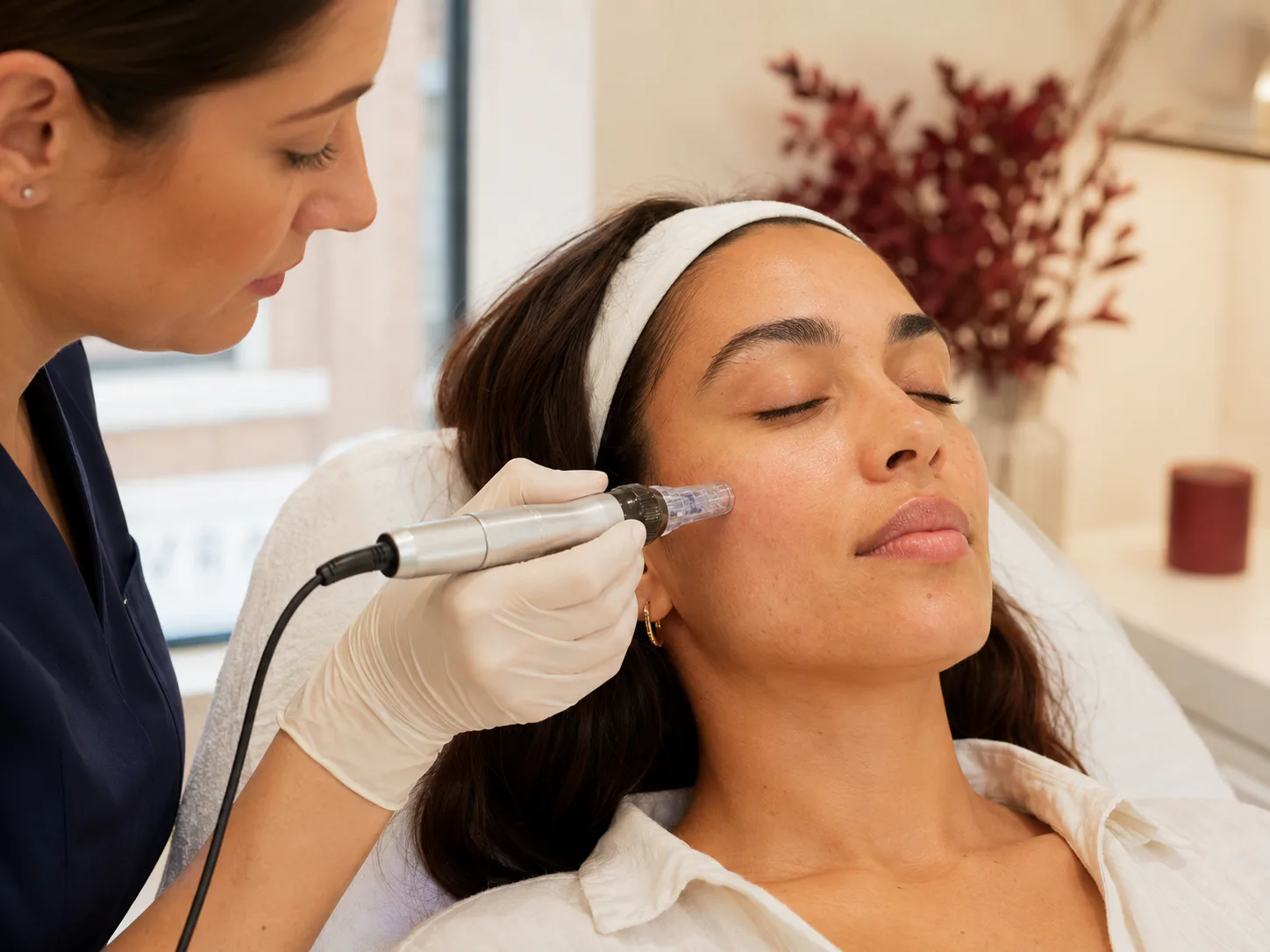
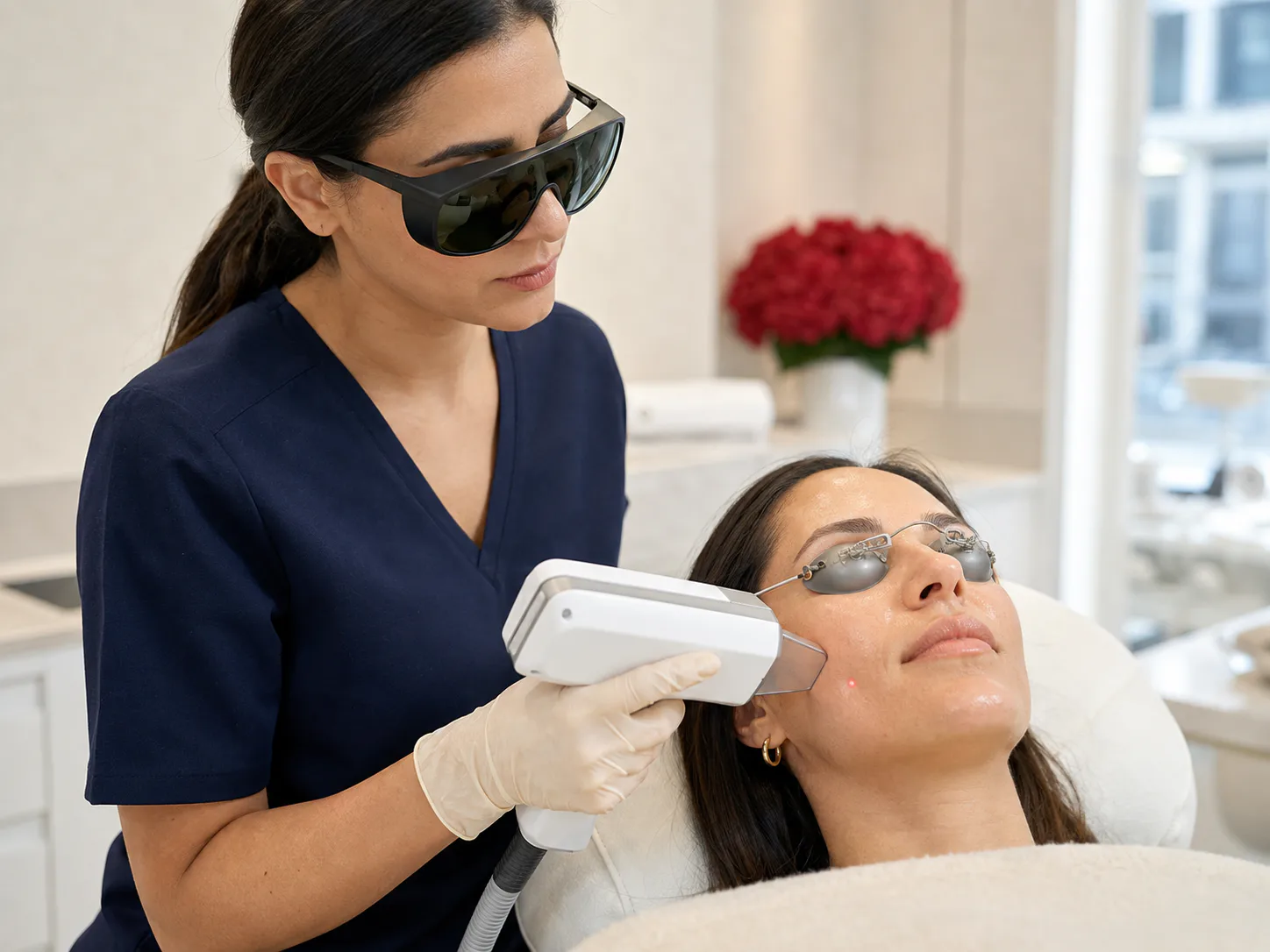
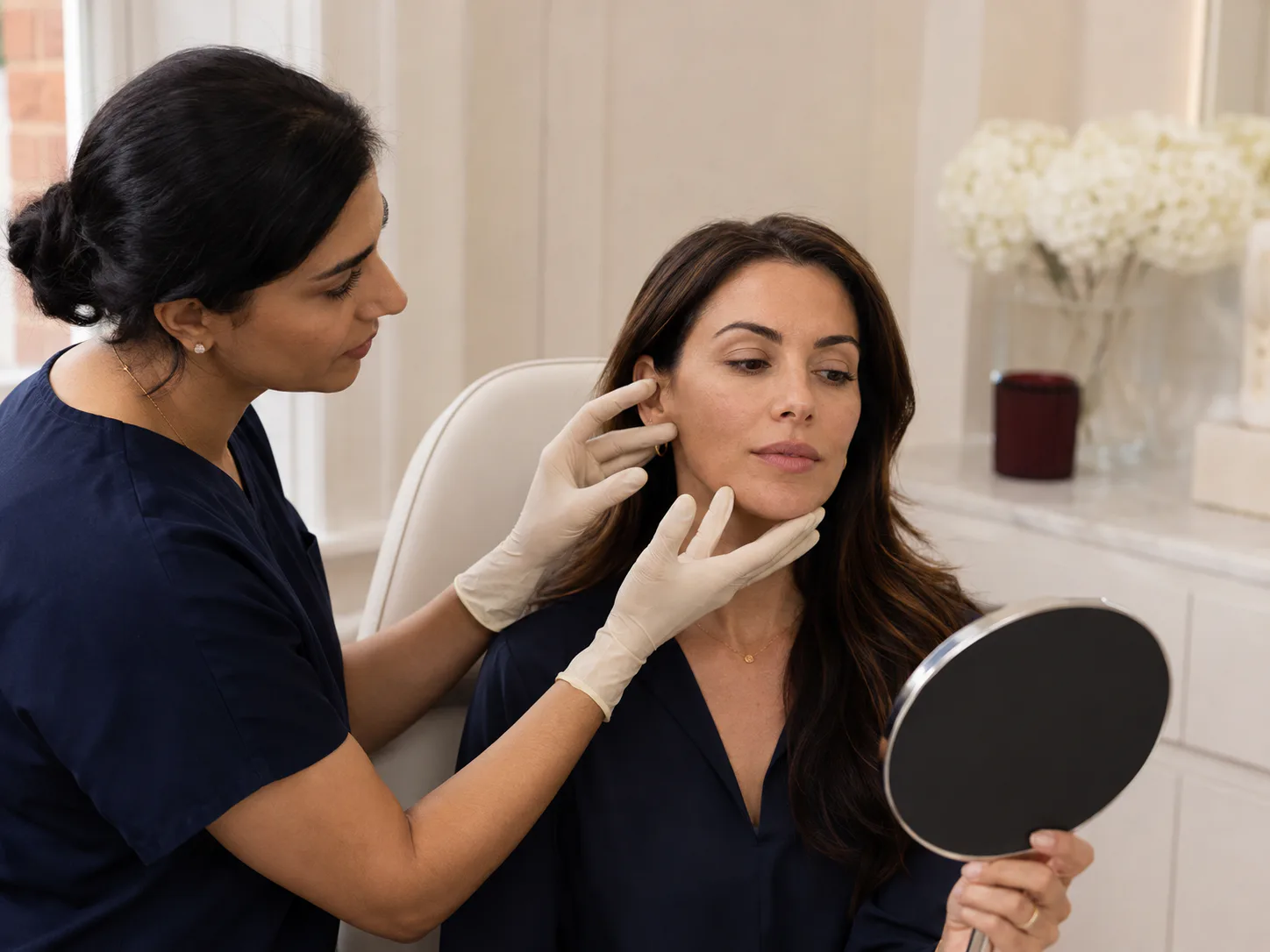
Pharmacillin lists dermal fillers within its aesthetics pathway. Read the service guide, bring your previous treatment records and confirm the practitioner and location when arranging a consultation. Website images illustrate a consultation setting; they are not a patient outcome gallery or evidence of treatment results.
Common questions
Frequently asked
How much filler will I need?
That cannot be determined responsibly from a website or a desired syringe quantity. The practitioner needs to assess the concern, anatomy, previous treatment and suitability, then explain the proposed plan and its limits. More product does not automatically mean a better result.
Can all filler be dissolved?
Do not assume so. Correction options depend on the material and the situation, and any intervention has limitations and risks. Ask the practitioner about the specific product and the plan for managing dissatisfaction or a complication before deciding.
Can I use these website photographs as before-and-after evidence?
No. The images are illustrative and do not document individual treatment outcomes. Ask what genuine, consented evidence a practitioner can share for comparable concerns, while remembering that another person's result cannot guarantee yours.
Sources checked
Sources and further reading
Prepared by Pharmacillin for general education. Sources were checked on 6 October 2026. This article does not replace an individual medical assessment.