
Eczema (atopic eczema)
Assessment-led support for itchy, dry or inflamed skin, with escalation when symptoms are severe or difficult to control.

Pharmacillin · London
Start with the skin concern you want assessed. Pharmacillin offers pharmacist-led consultations for common skin conditions, with clear information about assessment, treatment suitability and when GP or specialist care is needed. Browse the ten pathways below, read the relevant guide and open the service booking to choose an available appointment.
Find your service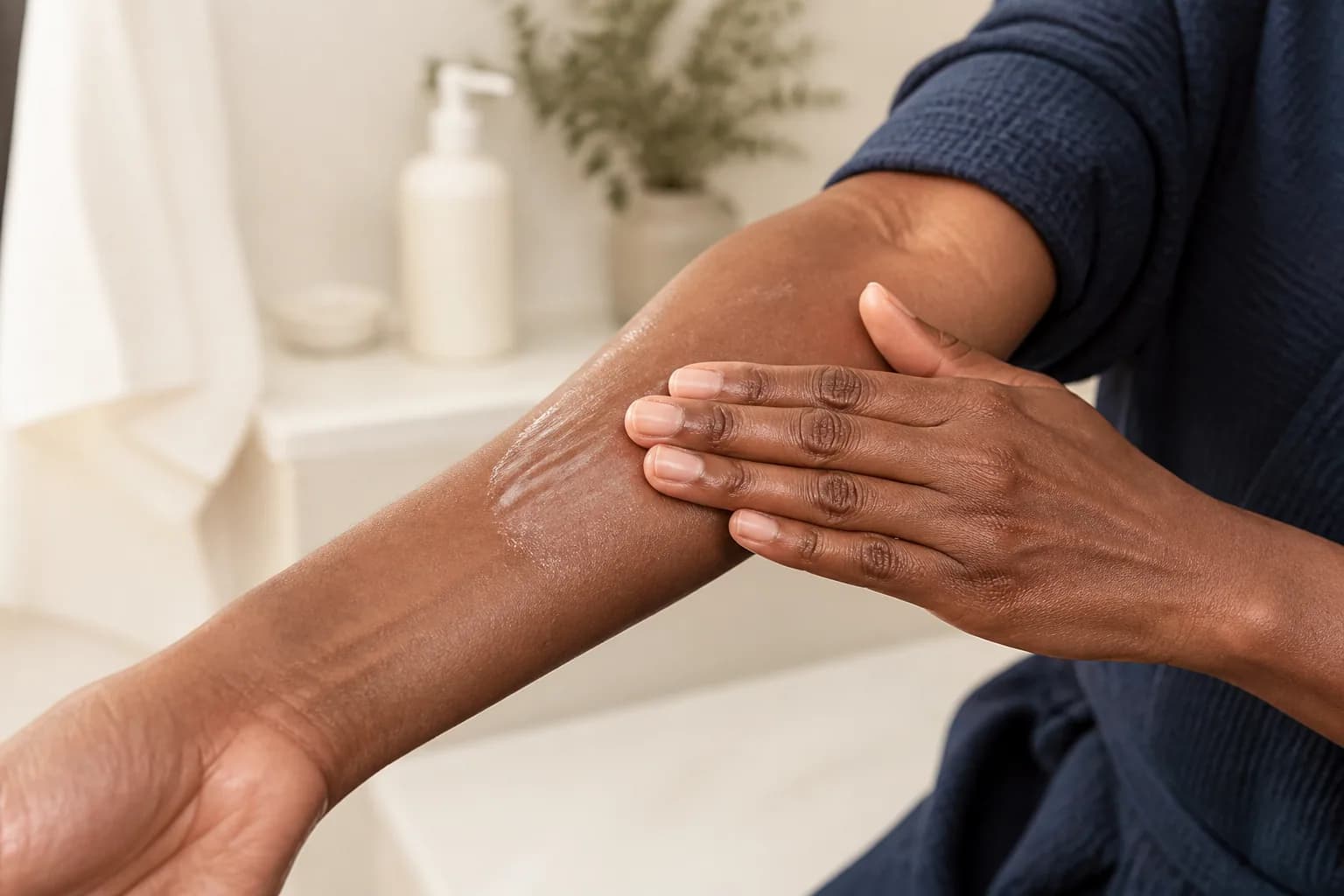
10 services
Read the service details and choose an available appointment in its booking.
Assessment-led support for itchy, dry or inflamed skin, with escalation when symptoms are severe or difficult to control.

A structured review of distribution, severity, treatment response and the physical or emotional impact of psoriasis.

Evidence-led acne support focused on severity, scarring risk, treatment history and a realistic review plan.
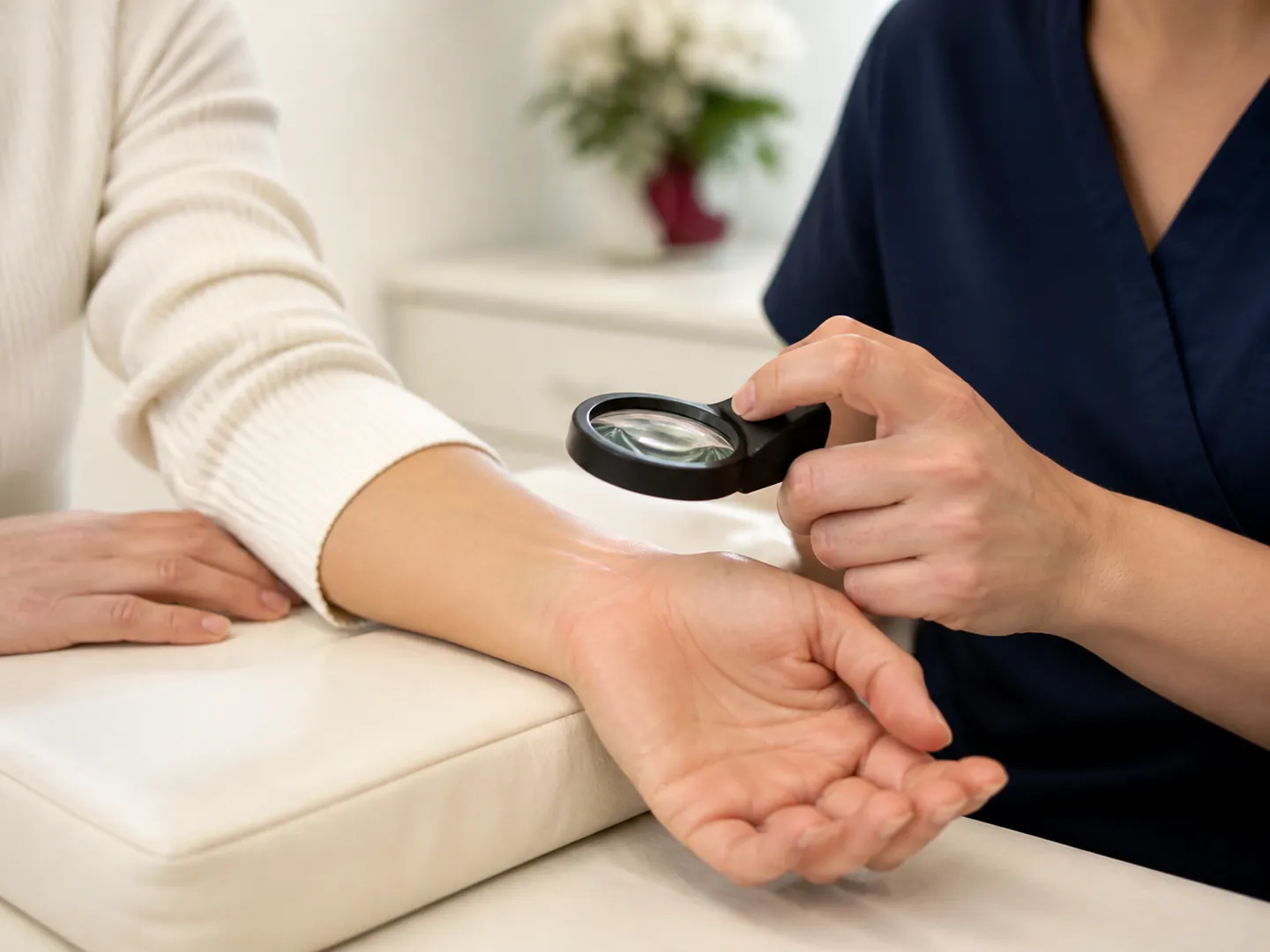
Practical assessment and household guidance for a contagious itchy rash, with escalation when treatment fails or the diagnosis is unclear.
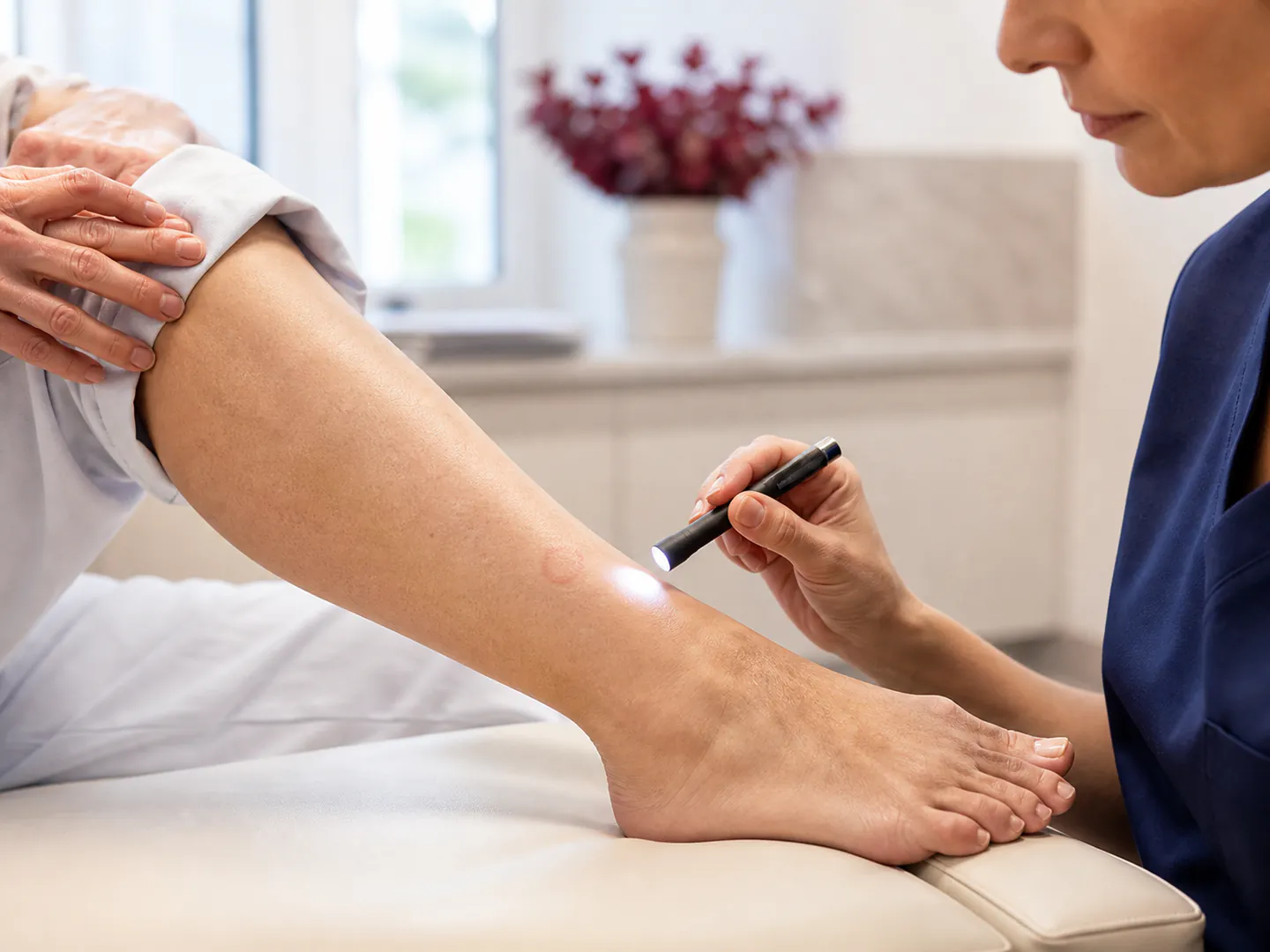
Assessment for suspected tinea or ringworm, with attention to the body site, spread, recurrence and treatment response.

Community assessment for a suspected contagious bacterial skin infection, including treatment eligibility and safety-netting.
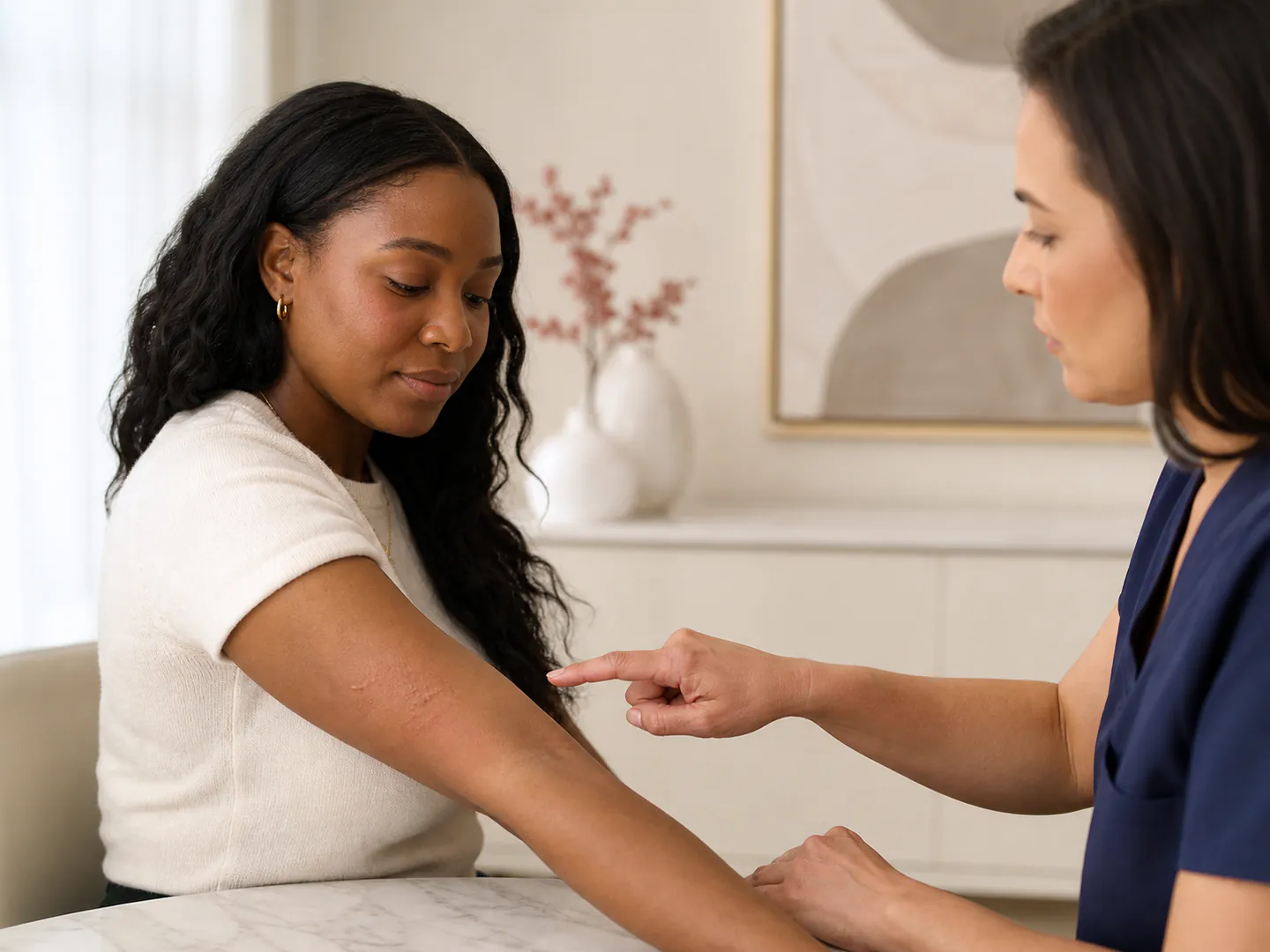
A focused review of recurrent raised itchy rashes, possible triggers, medicine use and red-flag symptoms.
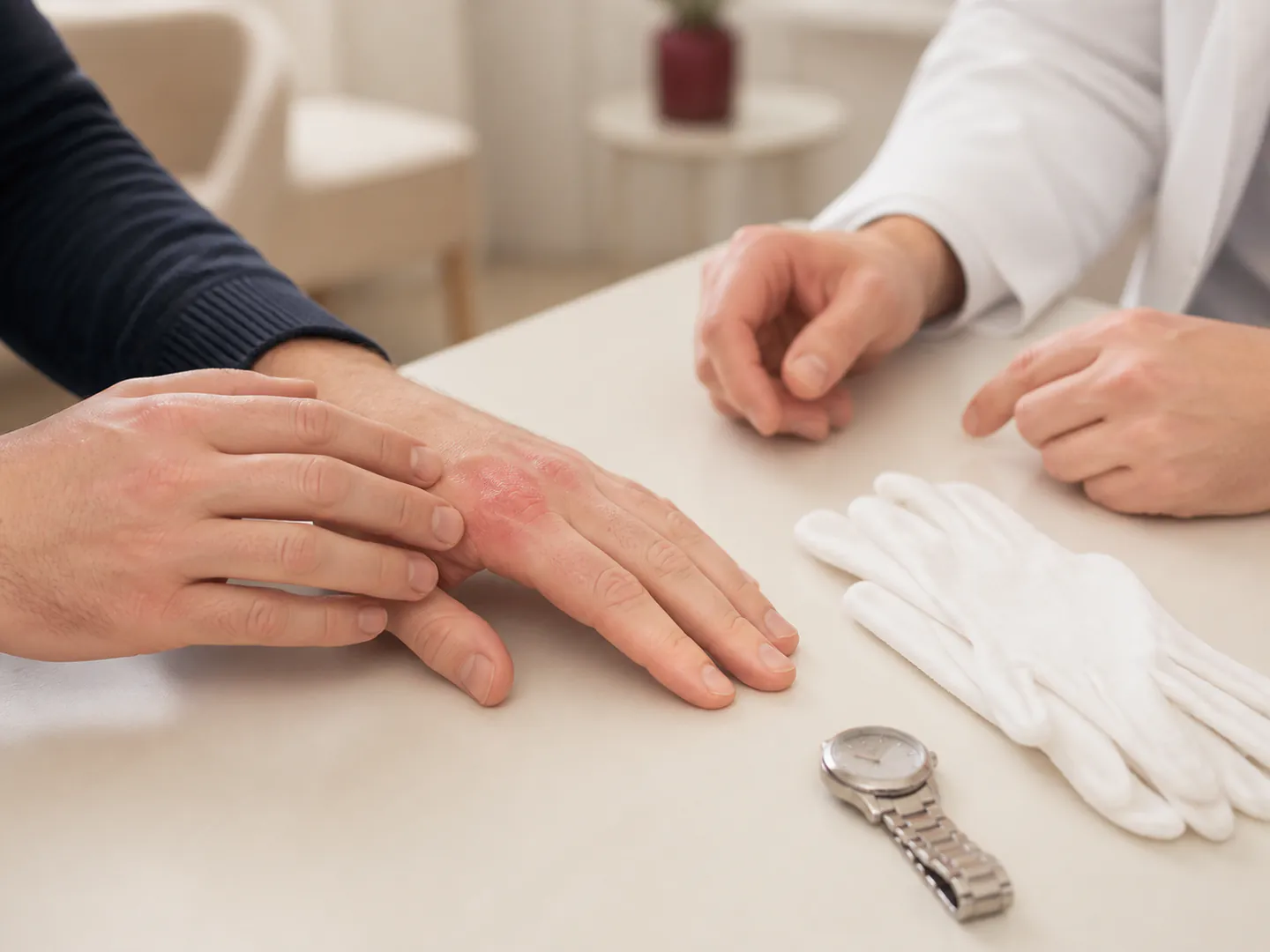
A detailed look at irritant and allergic triggers, exposure patterns, skin-barrier care and persistent disease.
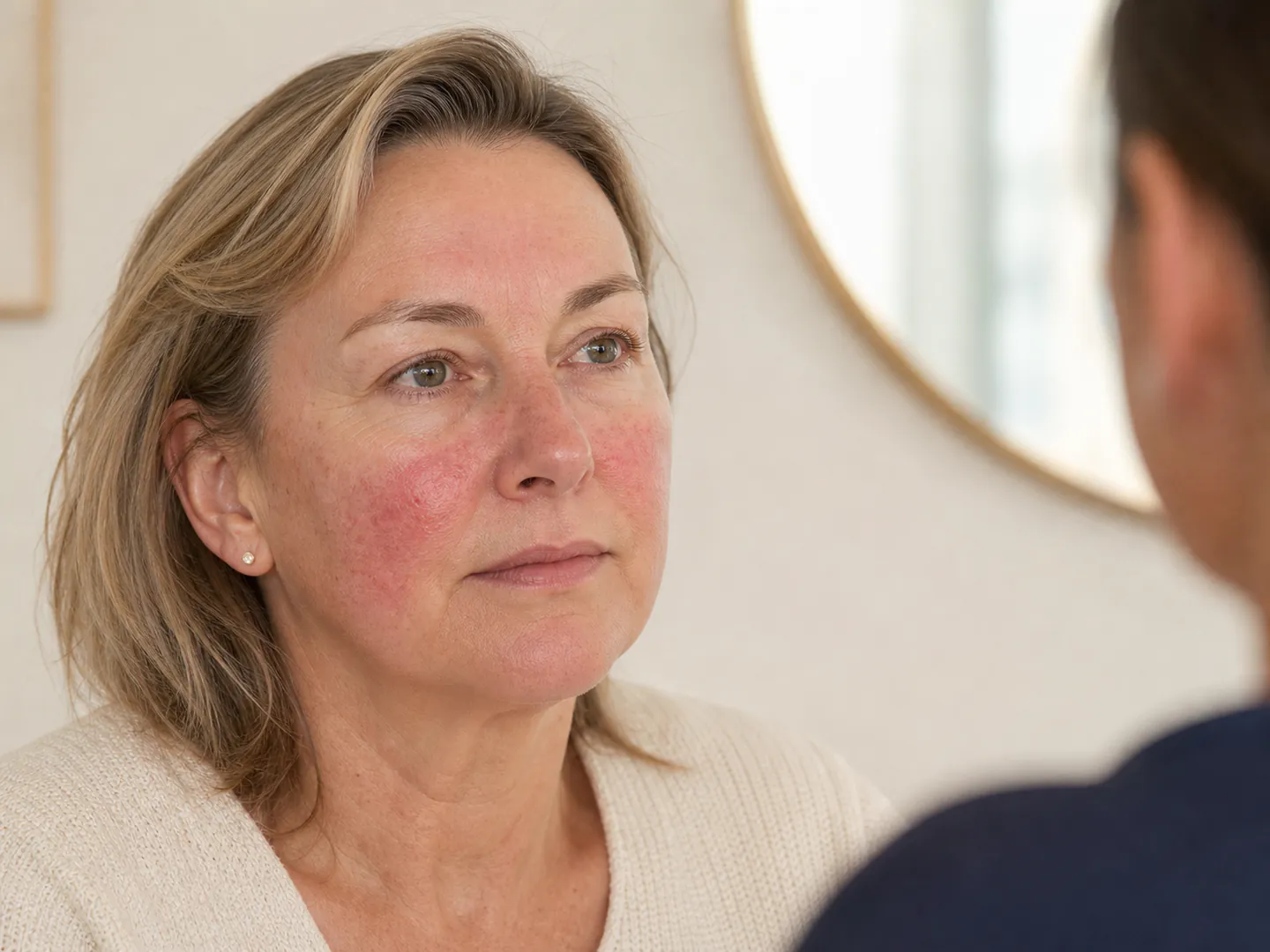
A facial-skin review covering flushing, persistent redness, bumps, sensitivity, eye symptoms and trigger patterns.
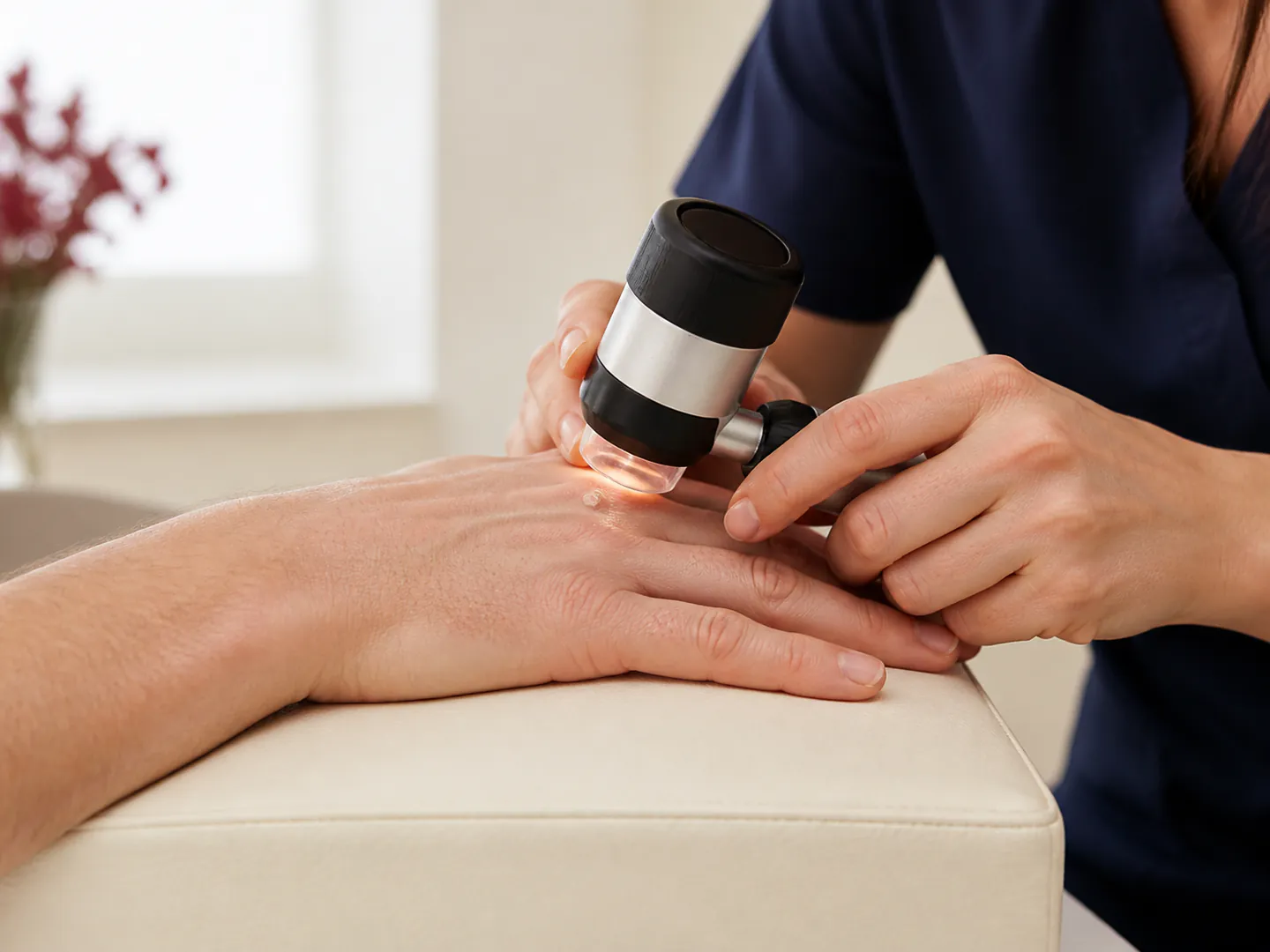
Conservative assessment of common viral lesions, treatment expectations and features that need another opinion.
Before your appointment
Compare the consultation guides for rashes, itch, acne, infections and other common concerns. Similar-looking symptoms can have different causes; a service name does not establish a diagnosis.
Bring your medicines, allergies, previous treatments and a short symptom timeline. Tell the practitioner about changes, recurring symptoms and anything that has already been tried.
Ask what the assessment includes, the appropriate care pathway and when review is needed. Use urgent medical services for urgent symptoms rather than waiting for a routine booking.
Check the location and appointment details in your booking. View Letterbox and Belsize clinic information.
Questions and planning
The right first appointment depends on symptoms, severity and what has already been tried. A clear assessment can be more useful than booking the most specialised treatment first.
Read the guideRecurring dry or inflamed skin deserves a history that goes beyond today's appearance. Symptoms, treatment experience and everyday impact all belong in the consultation.
Read the guideSpots, redness and sensitivity can overlap, but they do not automatically have the same cause. A careful history helps avoid choosing products or procedures that address the wrong problem.
Read the guideA reaction to skin care, hair products or workplace exposure needs a clear timeline. The word 'sensitive' is a starting description, not an explanation of the cause.
Read the guideThese conditions have different causes and management plans. A useful assessment considers the appearance, symptoms, contacts and treatment history without relying on a photo alone.
Read the guideUseful answers
Read practical answers before choosing an appointment.
Visit the FAQ centreThe ten pathways cover eczema, psoriasis, acne, scabies, fungal skin infections, impetigo, hives, contact dermatitis, rosacea, and warts or verrucae. These are pharmacist-led consultation guides for common concerns. The individual presentation must still be assessed, and some symptoms, diagnoses or treatment needs may require a GP, specialist or urgent service instead.
The site describes Pharmacillin's skin consultations as pharmacist-led. A consultant dermatologist is a specialist medical doctor; those roles should not be confused. Ask who will assess you, their professional role and the scope of the appointment. If a concern requires specialist diagnosis or treatment, the consultation may recommend a different care pathway rather than providing that service on site.
Referral depends on the condition and assessment. An uncertain diagnosis, extensive or severe symptoms, significant wellbeing impact, scarring, complications or poor response to an appropriate treatment plan can change the pathway. For psoriasis, joint symptoms are also relevant. Ask what question the referral is intended to answer and what support or review is appropriate in the meantime.
Check with the clinic about the appointment rather than deliberately provoking a flare. A recurring history still matters. Bring dated photographs, a short flare timeline, treatment names and information about sleep, work or other daily effects. Explain whether symptoms fully settle between episodes and what caused you to seek help, even if the visible change is small at the visit.
No. Spots, redness, burning and sensitivity can overlap across different conditions. An online photograph cannot establish a diagnosis. Record the symptoms and timing, products used and previous treatment response. Mention scarring or distress. Painful red eyes, vision changes or light sensitivity need prompt medical advice rather than waiting for a routine skin appointment.
Seek an appropriate assessment before choosing treatment because these concerns have different causes and plans. Explain the affected areas, timing, close-contact symptoms and anything already tried. Follow the instructions given for treatment and contacts. Tell a salon or aesthetic provider about suspected infection before attending; working on an affected area may need to be deferred.
No. Specialist diagnostic patch testing investigates suspected contact allergens through a clinical pathway. A salon allergy alert procedure follows instructions for a particular colour product, while a strand test assesses the hair. The directory does not establish that specialist patch testing is offered on site. Ask which assessment is relevant and whether referral is needed.
Call 999 for breathing difficulty, swelling of the tongue or throat, or collapse. Seek urgent medical advice for rapidly worsening painful skin, infection symptoms with feeling unwell, or concerning eye symptoms. NHS 111 can help when you are unsure about urgency. The online booking is not monitored as an urgent service and should never delay appropriate medical help.