The short answer
What matters most
- Describe spots, flushing, discomfort and their timing separately.
- Discuss scarring, distress and previous treatment response, not just the number of spots.
- Painful eyes or changes to vision need urgent advice rather than a routine rosacea appointment.
Separate what you see from what you feel
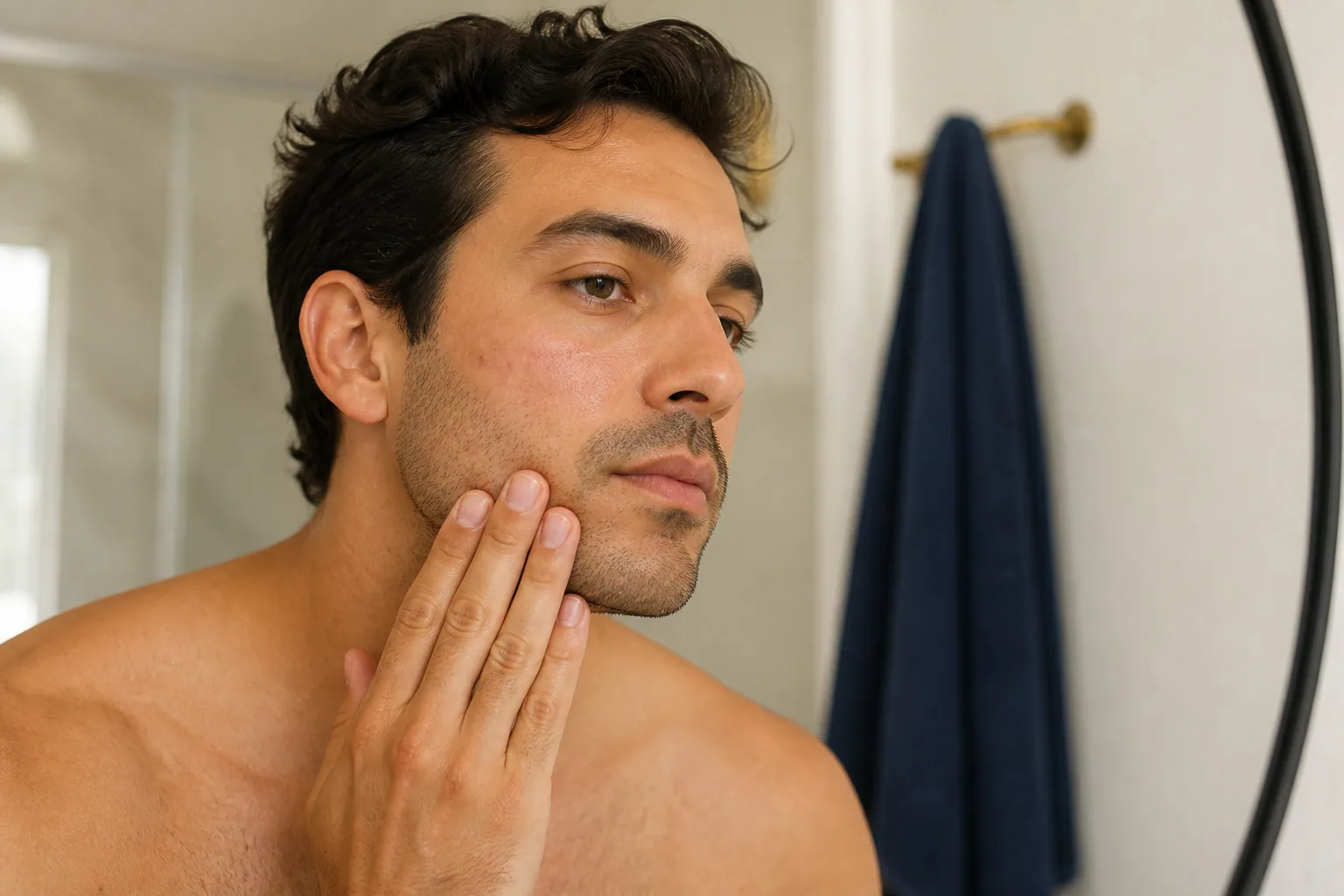
Acne may include blackheads, whiteheads and inflamed spots. Rosacea may involve flushing, persistent facial redness, bumps or a burning sensation. Redness can be less obvious on darker skin tones. These broad features are useful descriptions, but they cannot establish a diagnosis without an appropriate assessment.
Start your notes with separate headings for visible changes and sensations. Explain whether a product burns immediately, whether redness appears after particular activities and whether spots persist in the same area. This is more informative than grouping everything under 'bad skin' or 'sensitive skin'.
Further reading: NHS: Acne · NHS: Rosacea
Map your current skin-care routine
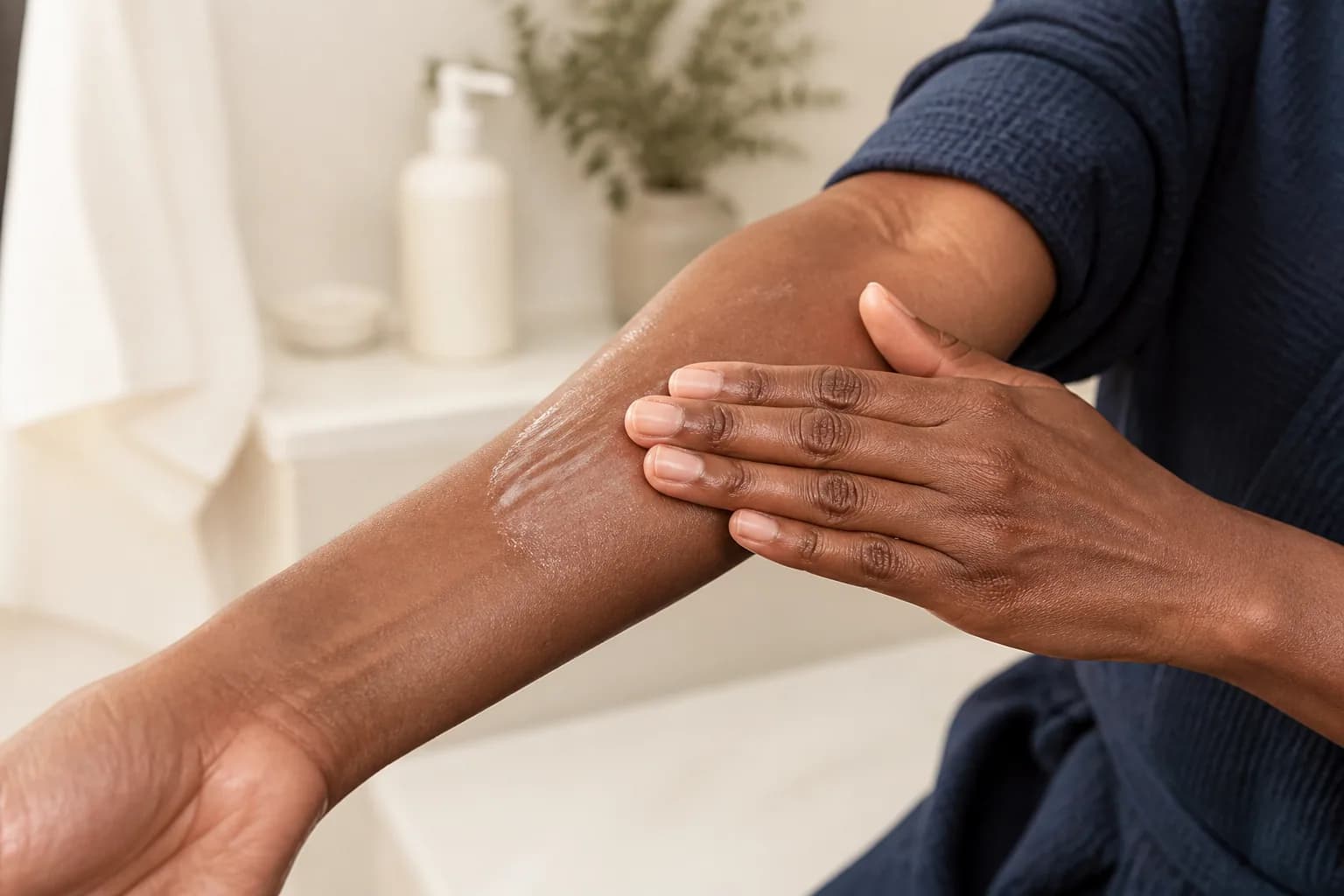
Write down the products you actually use on a normal day: cleanser, moisturiser, sunscreen, make-up and any active products or medicines. Include occasional masks and exfoliants. Bring ingredient lists or product photographs rather than relying on labels such as 'natural', 'medical grade' or 'for acne'.
Explain when each product was introduced and whether several changes happened together. If you changed the entire routine at once, it may be difficult to identify what helped or irritated. Ask the assessor which steps should stay consistent while the plan is being evaluated, instead of adding a new product every few days.
Give treatment enough context before calling it a failure
Acne treatment is usually reviewed over a planned course rather than judged after a few applications. NICE guidance uses 12-week first-line treatment courses with review. The right course for you depends on an assessment, and this is not a reason to continue a treatment causing a significant adverse reaction without advice.
Bring the treatment name, start date, actual use and any problems. Ask when improvement should be assessed, which effects should prompt contact and what would lead to a different approach. A clear review date is more helpful than an open-ended instruction to 'see how it goes'.
Further reading: NICE: Acne vulgaris: management
Discuss marks, scars and emotional impact
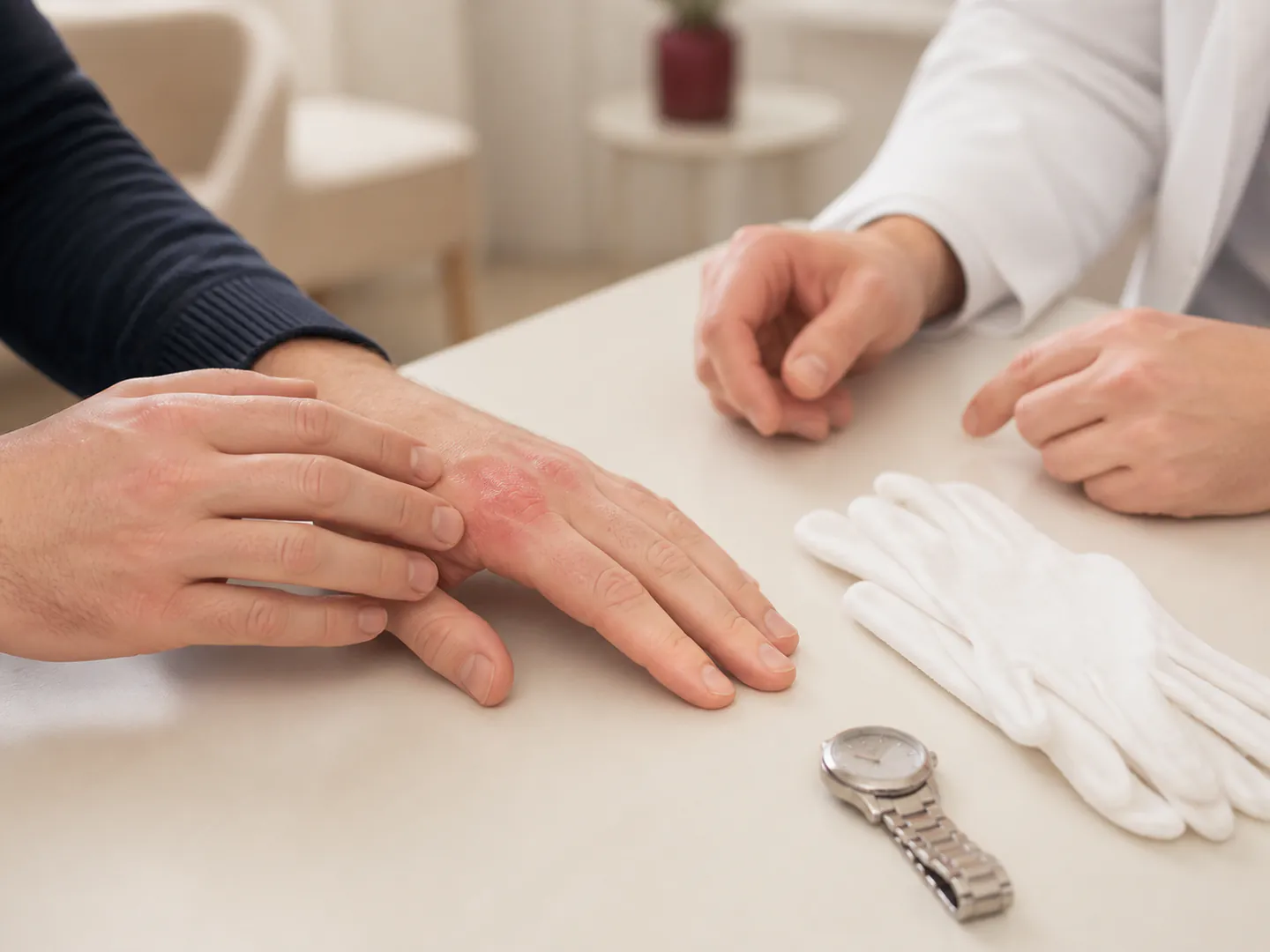
Tell the clinician about lasting marks, changes in texture and any new scars. NHS acne information recognises scarring as a potential complication. If you are avoiding photographs, missing activities or struggling with confidence, explain that directly rather than waiting for the clinician to infer it from appearance.
Distinguish control of active symptoms from a later discussion about residual texture or appearance. An aesthetic service cannot substitute for assessment of an active condition. Ask whether any procedure should be postponed and what would count as the skin being ready for a separate conversation.
Further reading: NHS: Acne
Make a personal trigger record, not a restriction list
If facial flushing follows certain situations, keep a brief record of what happened and how long the episode lasted. NHS rosacea information lists possible triggers, but individual patterns vary. There is little value in cutting out every item from an online list without understanding whether it matters to you.
Describe environmental and routine factors as well as food or drink: warm rooms, outdoor activity, product application or a stressful workday. The aim is to provide a readable pattern for assessment. Avoid turning the diary into a score of how well you behaved; symptoms are not a personal failure.
Further reading: NHS: Rosacea
Give eye symptoms their own priority
NHS rosacea advice recommends urgent GP help or NHS 111 for symptoms such as a painful red eye, blurred vision, light sensitivity or a gritty feeling. Do not wait for a routine skin consultation to investigate these symptoms or assume that a cosmetic product will settle them.
At a routine assessment, mention previous eye symptoms even if they are not present that day. Explain whether another professional has assessed them. Keeping eye and skin histories connected can help the clinician understand the concern while staying within the appropriate assessment pathway.
Further reading: NHS: Rosacea
Use your appointment to agree the next decision
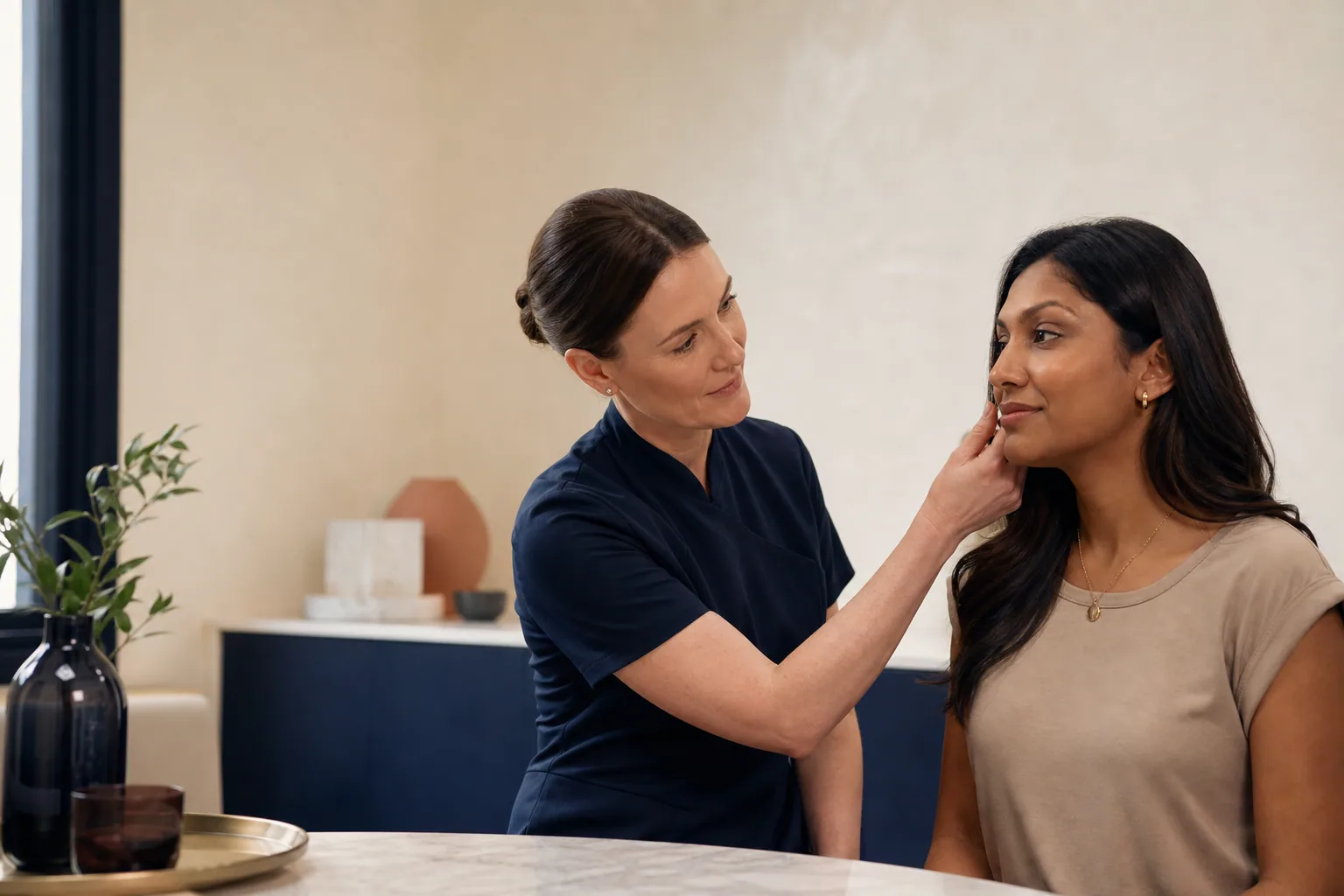
At Pharmacillin, the acne and rosacea guides outline separate consultation pathways. Bring your symptom history and ask what is known, what remains uncertain and what happens next. If treatment is discussed, confirm how it fits alongside existing medicines and whether GP or specialist input is needed.
For a London appointment, select the relevant service first and then confirm location and availability. Ask about consultation fees, reviews and any additional costs. Use the service booking to review available appointments. Booking a consultation does not provide a diagnosis from a photograph.
Common questions
Frequently asked
Can I diagnose acne or rosacea from an online photograph?
No. Photographs can help you describe a change, but different conditions can look similar. A clinician needs the symptoms and history as well as an appropriate assessment. Persistent redness should not automatically be treated as acne.
Can I book microneedling before controlling active spots?
Discuss the active condition and suitability first. The practitioner must assess the treatment area and any reason to defer an elective procedure. Bring current treatments and previous reactions rather than assuming a cosmetic procedure is the next step.
What should I ask at a treatment review?
Ask whether the original assessment still fits, whether the treatment trial was adequate, which symptoms changed and what the next decision is. Mention side effects, missed applications, scars and wellbeing impact so the review reflects your actual experience.
Sources checked
Sources and further reading
Prepared by Pharmacillin for general education. Sources were checked on 6 October 2026. This article does not replace an individual medical assessment.