
The short answer
What matters most
- Describe the change you want before selecting a procedure.
- Understand who assesses and treats you, what the plan costs and how aftercare works.
- A consultation can end with more time to think, a different recommendation or no procedure.
Describe the goal in everyday language
You might want to discuss uneven texture, facial lines or a change in volume. Describe what you notice, when it bothers you and what improvement would mean to you. A goal such as feeling more comfortable without make-up is a better starting point than arriving with a fixed list of procedures from social media.
Bring a small number of reference images if they help explain a preference, but be ready to discuss their limitations. Lighting, filters, make-up and different anatomy affect how an image looks. The consultation should connect your preferences with an assessment of your own features and circumstances.
Separate skin symptoms from appearance goals
An active rash, painful spots or unexplained redness needs appropriate assessment before an elective cosmetic plan on the same area. Tell the practitioner about any skin condition, previous reaction or ongoing treatment. Aesthetic advice and dermatology advice can complement one another, but they answer different questions.
Pharmacillin has separate dermatology and aesthetics pathways so that visitors can begin with the relevant concern. Ask whether you need a skin consultation first, whether a procedure should be postponed or whether the issue falls outside the available service. A pause can be a useful outcome of an assessment.
Know who is responsible for each stage
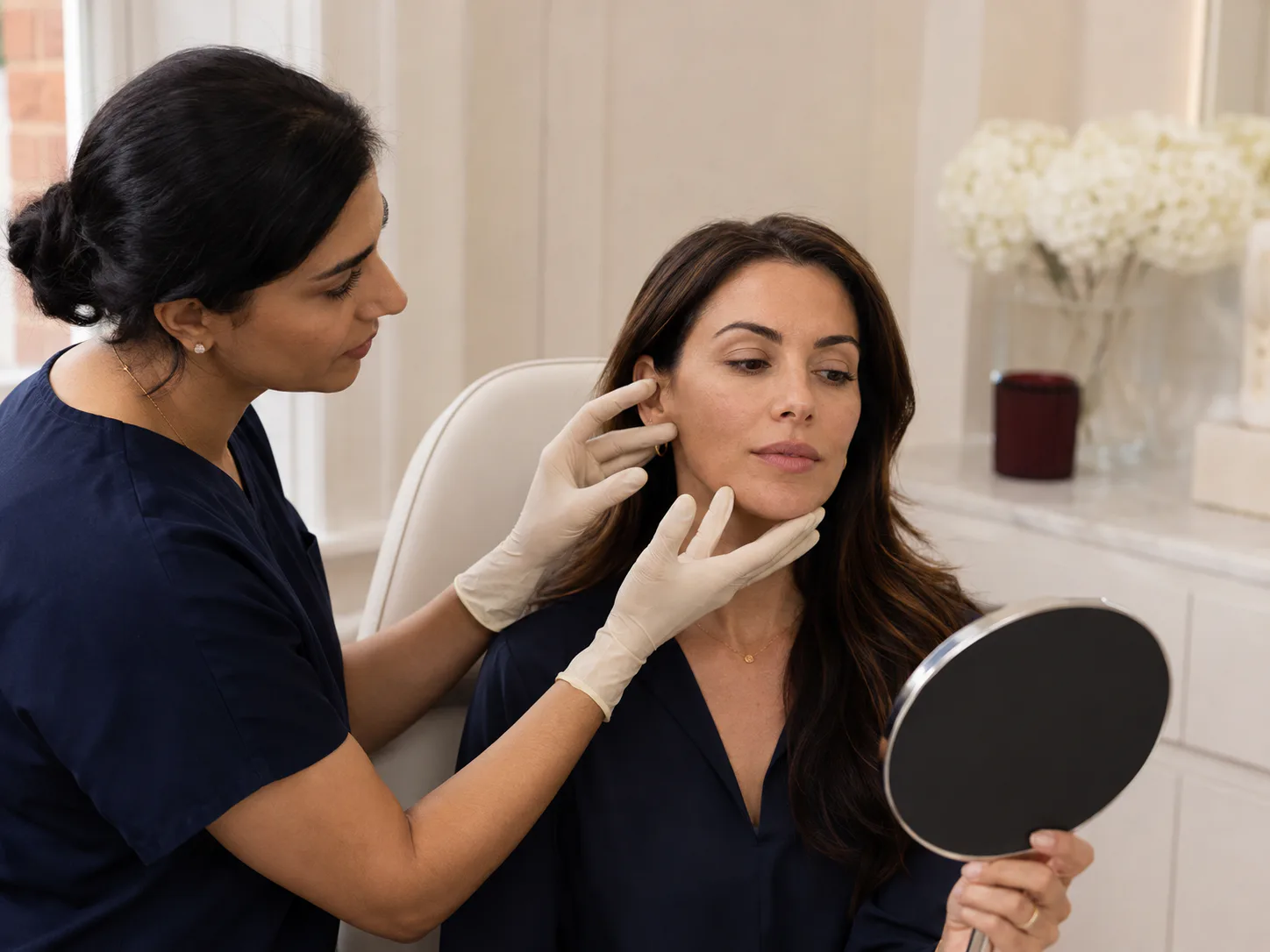
The NHS advises consulting the person who will perform a cosmetic procedure before deciding. Establish the practitioner's role, relevant training and insurance, and ask who provides aftercare. A professional title alone does not explain experience with the procedure you are considering.
If assessment, prescribing and treatment involve different people, ask how those roles connect and who can answer follow-up questions. Check professional details through the relevant register where applicable. Do not infer a registration, specialist title or accreditation from a logo, a photograph or an attractive website.
Further reading: NHS: Choosing who will do your cosmetic procedure
Compare the decision, not just the advertised price
Write a simple comparison for each option: the concern it addresses, the proposed result, limitations, recovery commitments and total cost. Include the option of no procedure. Two appointments with the same treatment name may involve different plans, so a low headline price is not a complete comparison.
Ask for a written explanation of what is included and what might be charged separately. Consultation, treatment, maintenance, review and managing a concern are different cost categories. Pharmacillin's aesthetic service pages show guide prices for named menu options. Confirm the applicable plan and full cost before committing.
Ask about risks in the context of your life
All cosmetic procedures carry risks. NHS advice encourages research and time to decide. Ask what those risks mean for your skin, medical history and proposed treatment area, and what the practitioner would do if the result were disappointing or a complication occurred.
Describe practical constraints: an upcoming event, public-facing work, exercise, travel or caring responsibilities. Ask what may interrupt those activities and when to seek help. Do not book around a promise of 'zero downtime' without understanding the actual procedure and its recovery instructions.
Further reading: NHS: Before you have a cosmetic procedure
Make room for a voluntary decision
You should be able to explain your preference without pressure to add procedures. GMC cosmetic guidance, which applies to the professionals it regulates, emphasises voluntary requests, informed discussion and time for reflection. That is a useful decision-making standard to look for when evaluating a consultation.
Write down the plan and take it away if you need time. If you are unsure about a proposed result, say so. An appointment is not successful because every visitor proceeds; it is successful when the choice is informed and the practitioner can explain the rationale and boundaries of the recommendation.
Further reading: General Medical Council: Cosmetic interventions: communication and consent
Choose a location after clarifying the pathway
Pharmacillin's location guides cover Letterbox Pharmacy Clinic on Brick Lane and Belsize Priory Clinic on Belsize Road. Confirm the service, clinician, availability and any appointment instructions before travelling. A convenient London address is only one part of choosing a suitable appointment.
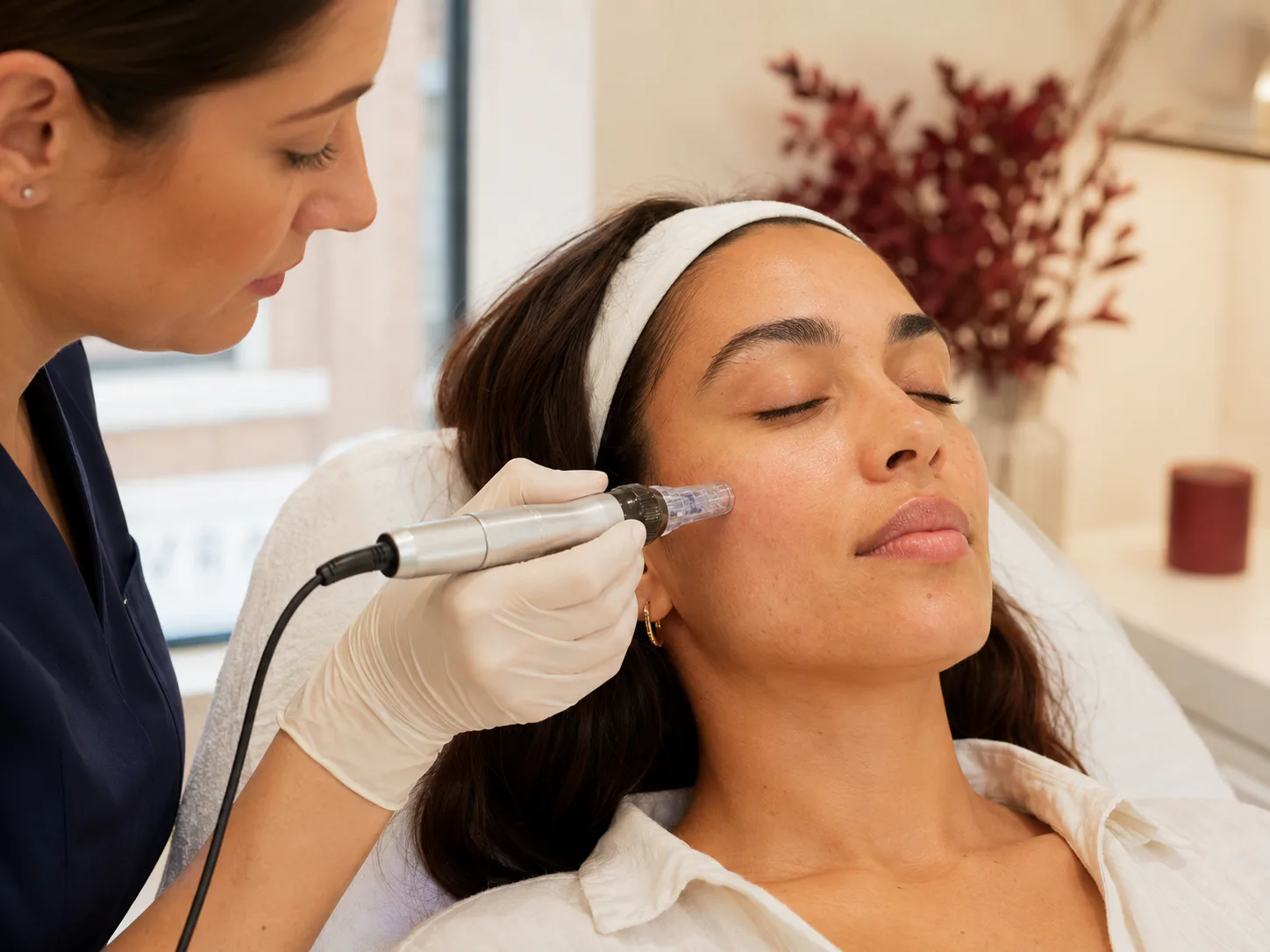
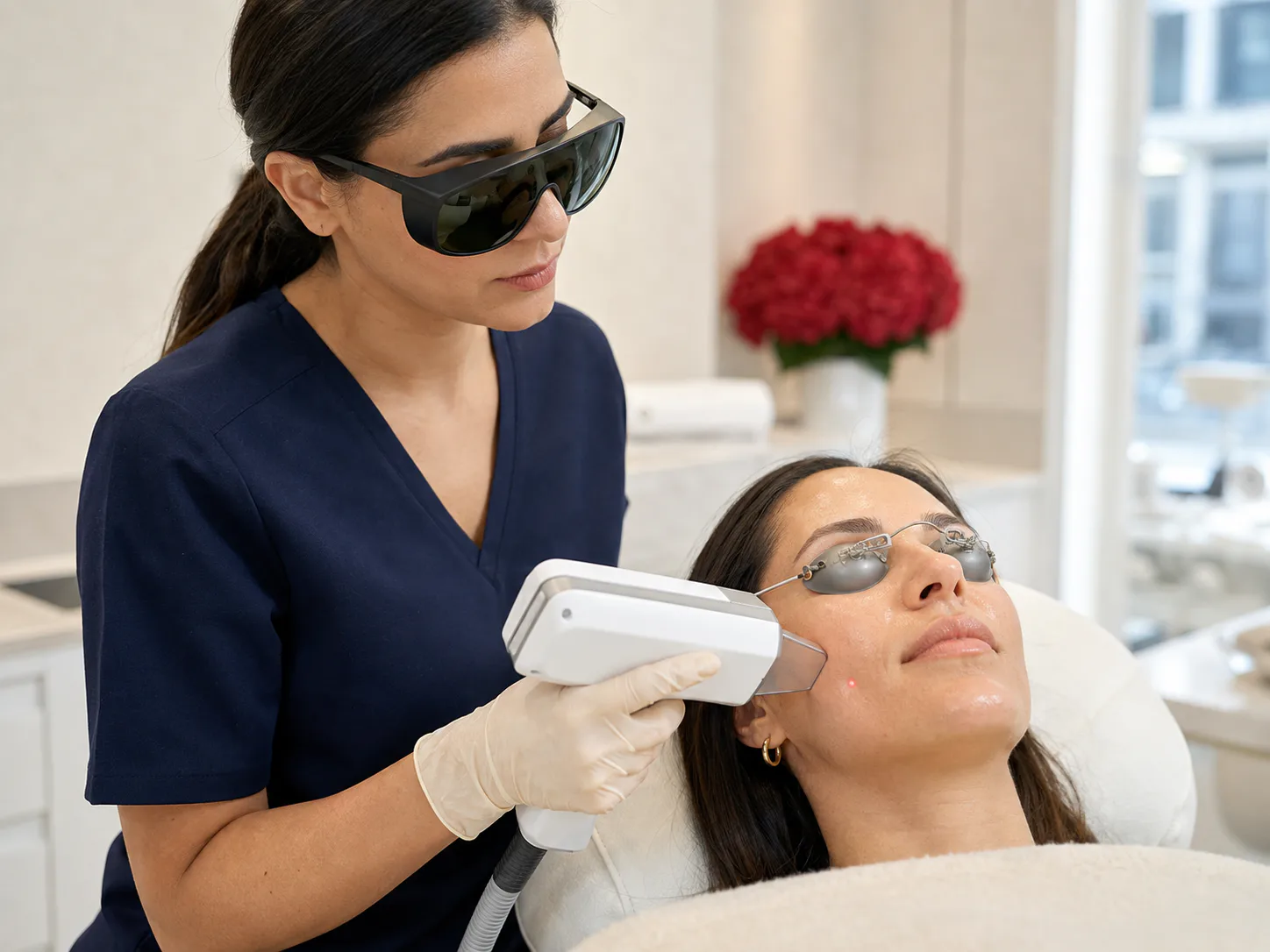
Use the service guides for dermal fillers, anti-wrinkle consultations, microneedling, chemical peels and laser treatments to identify your questions. Each service has an online booking with available appointments. Booking a consultation does not establish suitability or guarantee treatment or a particular result.
Common questions
Frequently asked
Do I need to choose a treatment before my consultation?
No. Start with the concern and your goals. The assessment can explore relevant options, their limits and whether a procedure is appropriate at all. Selecting a service guide on the website is a way to prepare, not a commitment to treatment.
Can I have a procedure immediately after the consultation?
Do not assume so. Timing depends on assessment, consent, preparation, availability and the procedure. Ask what steps are required before deciding and allow time to consider the plan rather than making a same-day procedure your expectation.
Can a consultation promise a natural-looking result?
It can discuss the style of change you prefer, but it cannot guarantee a subjective result. Explain what 'natural' means to you, which changes you would dislike and how you would assess improvement. Results and treatment suitability vary.
Sources checked
Sources and further reading
Prepared by Pharmacillin for general education. Sources were checked on 6 October 2026. This article does not replace an individual medical assessment.