The short answer
What matters most
- Balayage describes a colour-placement approach; highlight menus also describe the coverage area.
- Pharmacillin lists four options from £70 to £140, with inclusions confirmed before booking.
- Previous colour, strand testing and maintenance expectations help shape the appointment.
Start with where you want to see the lighter colour
Explain whether you want brightness around the face, through the top, throughout the hair or mainly toward the lengths and ends. Think about how you usually wear it: loose, parted to one side, tied up or in a shorter shape. Placement that looks clear in one style may be less visible in another.
Bring reference images showing more than one angle if possible. Tell the stylist which feature of the image you like: contrast, softness, warmth or the relationship between roots and ends. 'Like this blonde' is less useful than a description of the parts you want to discuss.
Understand balayage and highlight coverage
Wella's professional colour guide distinguishes gradient balayage lightening from highlights applied to create contrast and dimension. The technique is a starting concept, not a promise that every balayage uses identical placement or a particular amount of lightness. Ask the stylist to explain their proposed version.
Full-head and half-head highlight names describe coverage, while a T-section usually focuses on a more limited visible area. Confirm the exact sections included at the appointment. The menu name alone does not establish the number of foils, final shade or whether the underside will be lightened.
Further reading: Wella Professionals: Blonde and balayage colour services · Wella Professionals: Understanding half-head highlights
Compare the four listed prices
Pharmacillin's menu lists balayage at £140, full-head highlights at £125, half-head highlights at £95 and T-section highlights at £70. Those are the four services supplied for the site. Ask the provider to confirm the appropriate option and the full appointment inclusions before you choose.
Ask whether toner, washing, cutting or finishing is included or separate. Toner is also listed as a £20 standalone service, but this does not automatically mean you should add it to every highlight price. Clarify the proposed plan rather than calculating a bundle the provider has not agreed.
- Balayage — £140.
- Full-head highlights — £125.
- Half-head highlights — £95.
- T-section highlights — £70.
Give the stylist the colour history
Explain permanent colour, box dye, henna, previous bleach and any chemical services on the lengths. The history matters even if it happened months earlier. If you do not know the product name, say so and bring whatever information you have rather than describing all previous colour as the same.
Professional hair testing can help inform the proposed service; Wella's education resource discusses strand, elasticity and porosity tests alongside allergy alert testing. Ask which checks the stylist considers relevant. A strand test and an allergy alert test answer different questions and are not interchangeable.
Further reading: Wella Professionals Education: Allergy alert tests and hair testing
Plan the result as a realistic progression
If you want a major change, ask whether the proposed shade can be considered in one appointment and what the alternatives are. The starting colour, previous processing and condition may change the plan. A reference photograph should not become a reason to push beyond the stylist's assessment.
Discuss what a first-stage result would look like and how it will be judged. If several appointments are proposed, ask for the purpose and cost of each stage and whether the plan may change after reviewing the hair. Avoid treating a booking sequence as a guaranteed colour transformation.
Choose maintenance you can actually keep
Ask how the colour is expected to look as the hair grows and what kind of future appointment would be considered. Someone who likes a visible root may choose a different plan from someone who wants brightness close to the scalp. Your tolerance for contrast is as relevant as the first-day photograph.
Describe how often you realistically want to visit and the home styling you do. Ask about products and washing routines for the chosen colour, and whether toning might be reviewed separately. Do not buy a large maintenance routine without knowing what each product is intended to do.
Confirm checks and location before your visit
Tell the stylist about previous dye reactions or current scalp irritation before the appointment is arranged. Follow the testing instructions for the actual product and service. If a reaction occurs, report it and seek appropriate advice rather than proceeding because the date is already in your calendar.
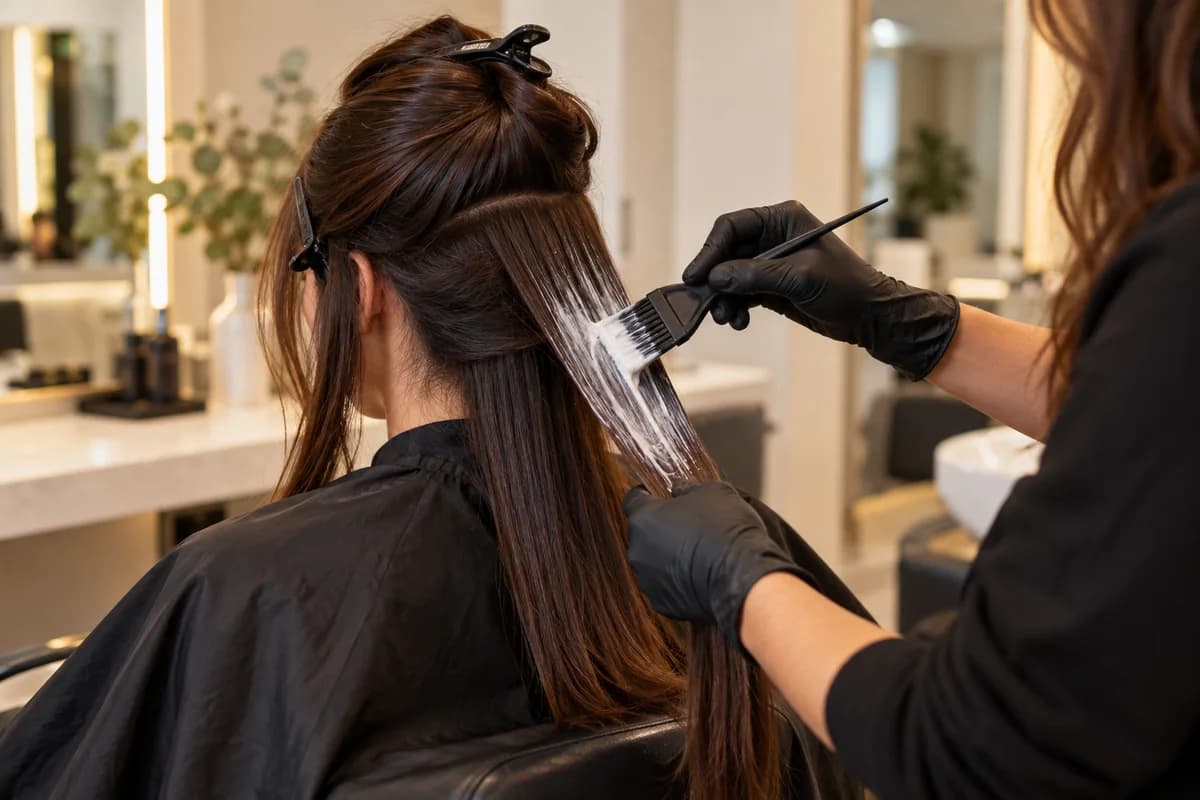
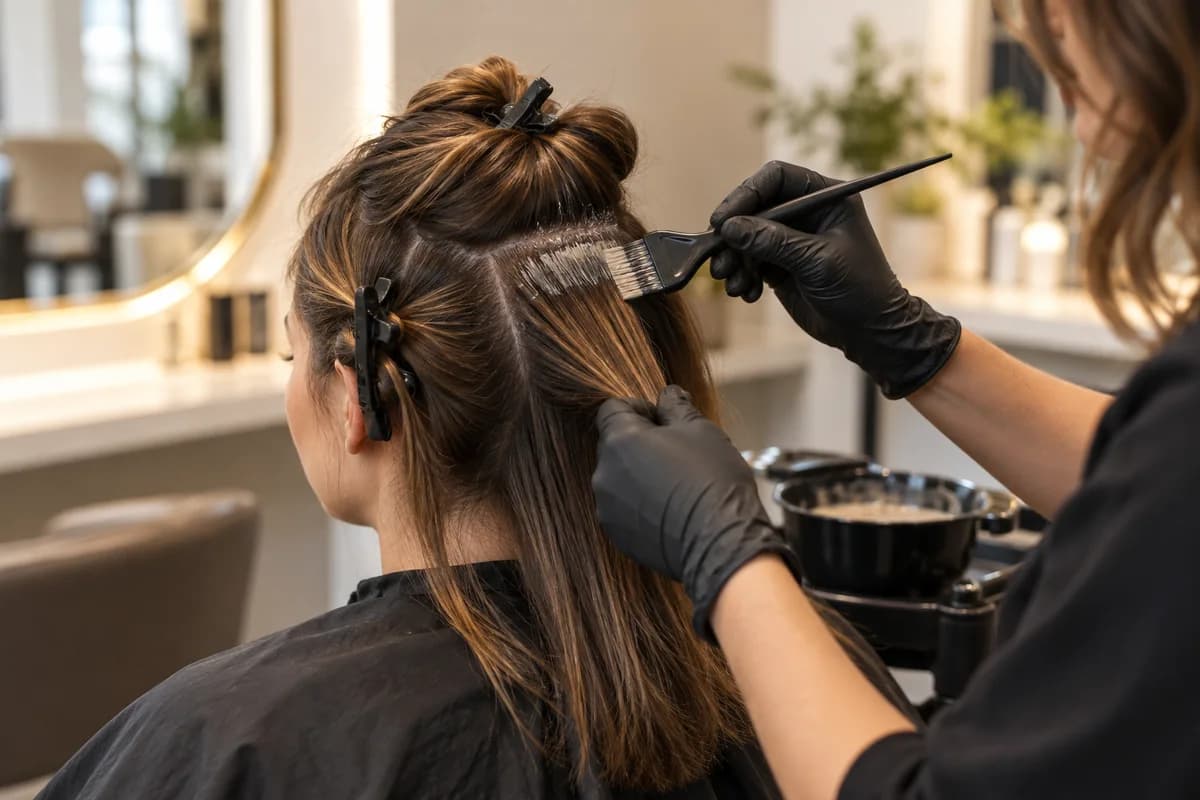
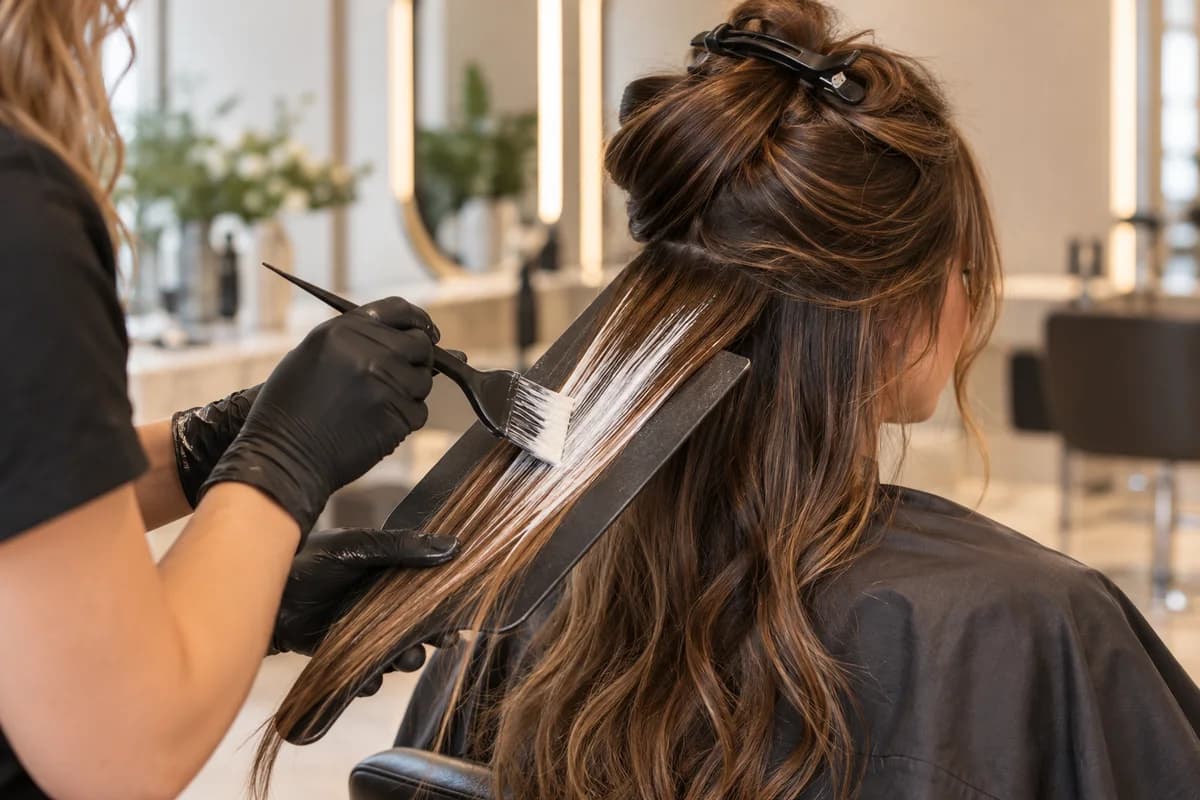
Read the four Pharmacillin service guides, confirm hair availability at the chosen location and bring your reference images and colour history. The generated gallery images illustrate the type of service, not your likely result. The online planner organises a choice locally and does not reserve an appointment.
Common questions
Frequently asked
Is balayage always lower maintenance than highlights?
Not automatically. Placement, contrast, starting colour and your preferences determine what maintenance feels necessary. Ask how the proposed colour will grow out and what kind of future appointment would address it, rather than relying on a general label.
Does a half-head service include every layer?
Do not assume it covers all the hair. Ask which sections will be treated and discuss how you wear it, including tied-up styles. Full-head, half-head and T-section menus describe different coverage plans, which the provider should explain.
Is toner included in the listed highlight prices?
The supplied menu lists toner separately at £20 but does not establish every combination or inclusion. Confirm what is included in your proposed appointment and whether any additional service is required and charged separately before deciding.
Sources checked
Sources and further reading
Prepared by Pharmacillin for general education. Sources were checked on 6 October 2026. Confirm product-specific instructions with your stylist. Persistent scalp or hair-loss concerns need appropriate clinical assessment.